Science
If you are new to Wisewool™, we recommend starting with Why Wool? first.
Striving for Better
Our science and innovation team, guided by independent research from Professor Emeritus Raechel Laing and Dr Cheryl Wilson, continually evaluates new iterations of Wisewool™ to maximise its compressional resilience, or “bounce-back”. By testing our engineered materials against synthetic counterparts under strict international standards, we back our performance claims with precise data rather than marketing claims, keeping our products at the forefront of material science.
The data: compressional resilience and durability
To verify how our materials hold up under prolonged use, Wisewool™ underwent constant fatigue-pounding tests at SATRA UK, an independent, accredited international testing laboratory.
Under the EN ISO 3385:2014 standard, materials were subjected to 80,000 pounding cycles to measure thickness and hardness loss. The results show that Wisewool™ engineered forms outperform traditional bulked synthetic fills:
Minimal thickness loss: After 80,000 cycles and a 6-hour recovery, Wiselayer™ (blanketing) showed just 5.1% thickness loss, and the Wisewool™ squab only 7.9%. Standard commercial bulked polyester lost 17.2% under identical conditions.
Superior hardness retention: In the indentation hardness tests (EN ISO 2439:2008), bulked polyester degraded fast, losing 44.8% of its initial hardness after 10 minutes of recovery and failing to improve. Wisefill™ (buds) held stable, spring-like support, recovering structural density far more effectively than synthetics.

The data: Thermal integrity and flammability
The mechanical performance of Wisewool™ is matched by its natural safety profile. Independent flammability testing by the New Zealand Wool Testing Authority (NZWTA) compared the burning behaviour of Wisewool™ fills against petroleum-based alternatives.
Testing followed strict British and international standards, including BS 5852:1979 Part 1 (smouldering cigarette) and BS 5852:1982 Part 2 (match-flame equivalent, using butane flame ignition source 2).
Wisefill™ and Wiselayer™ (pass): Both configurations met the criteria and achieved a PASS. The 100% natural wool fibres resisted ignition, charring safely with no sustained flaming or progressive smouldering.
Commercial polyester and foam chips (fail): The synthetics failed. The bulked polyester fill suffered rapid flaming failure, unsafe escalating combustion and full specimen consumption, requiring immediate manual intervention to extinguish.
Mechanical precision, natural integrity
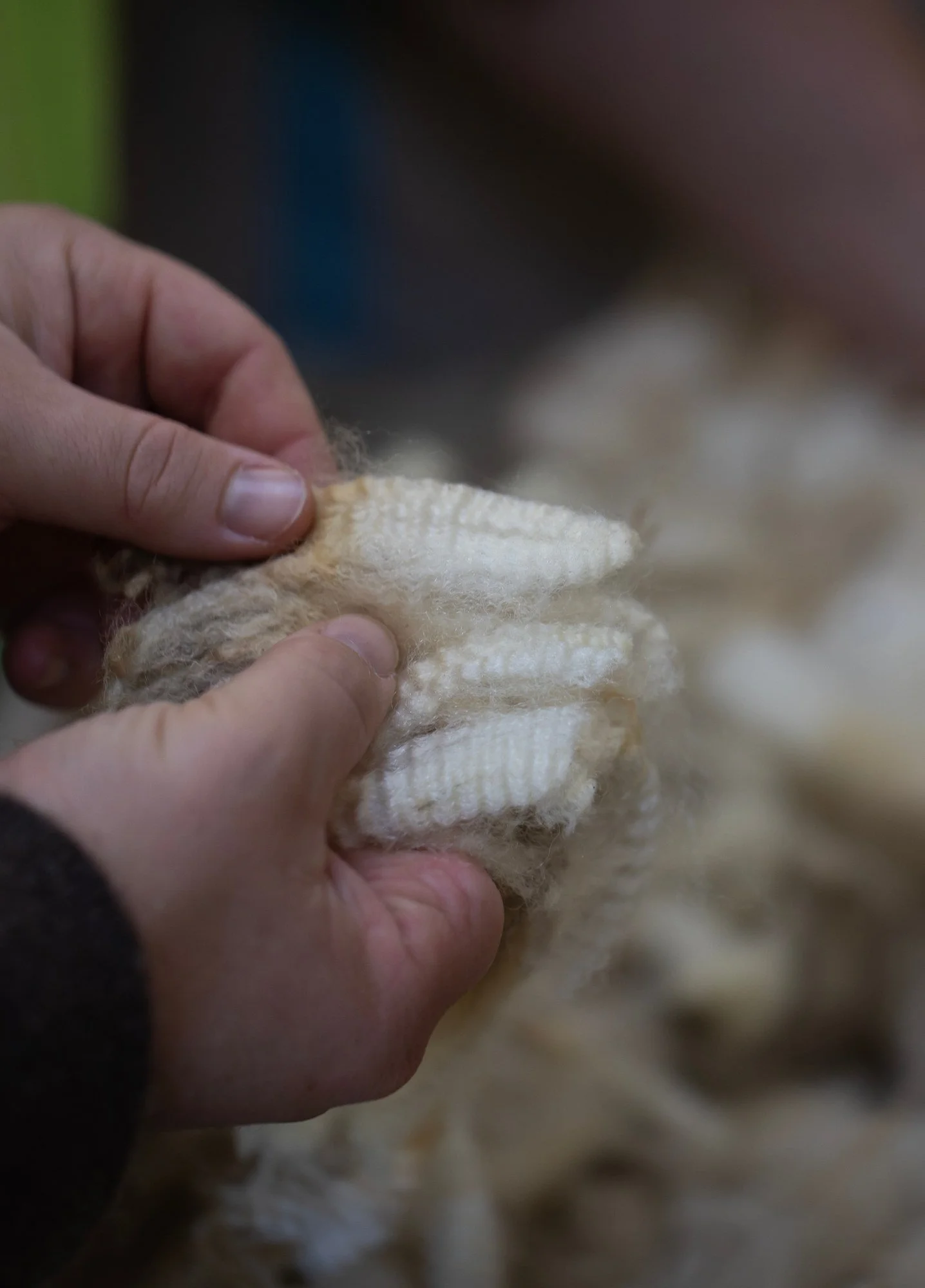
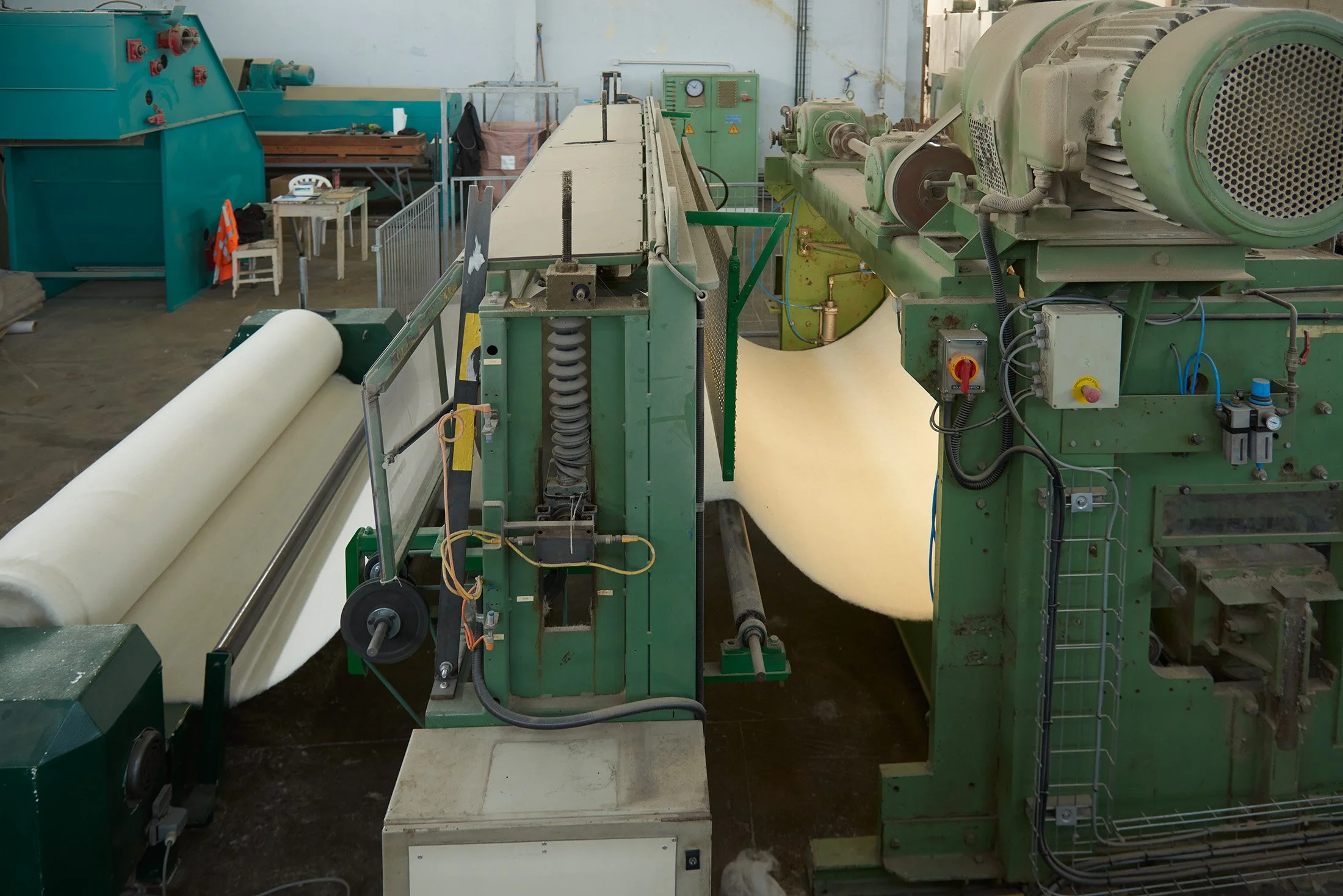
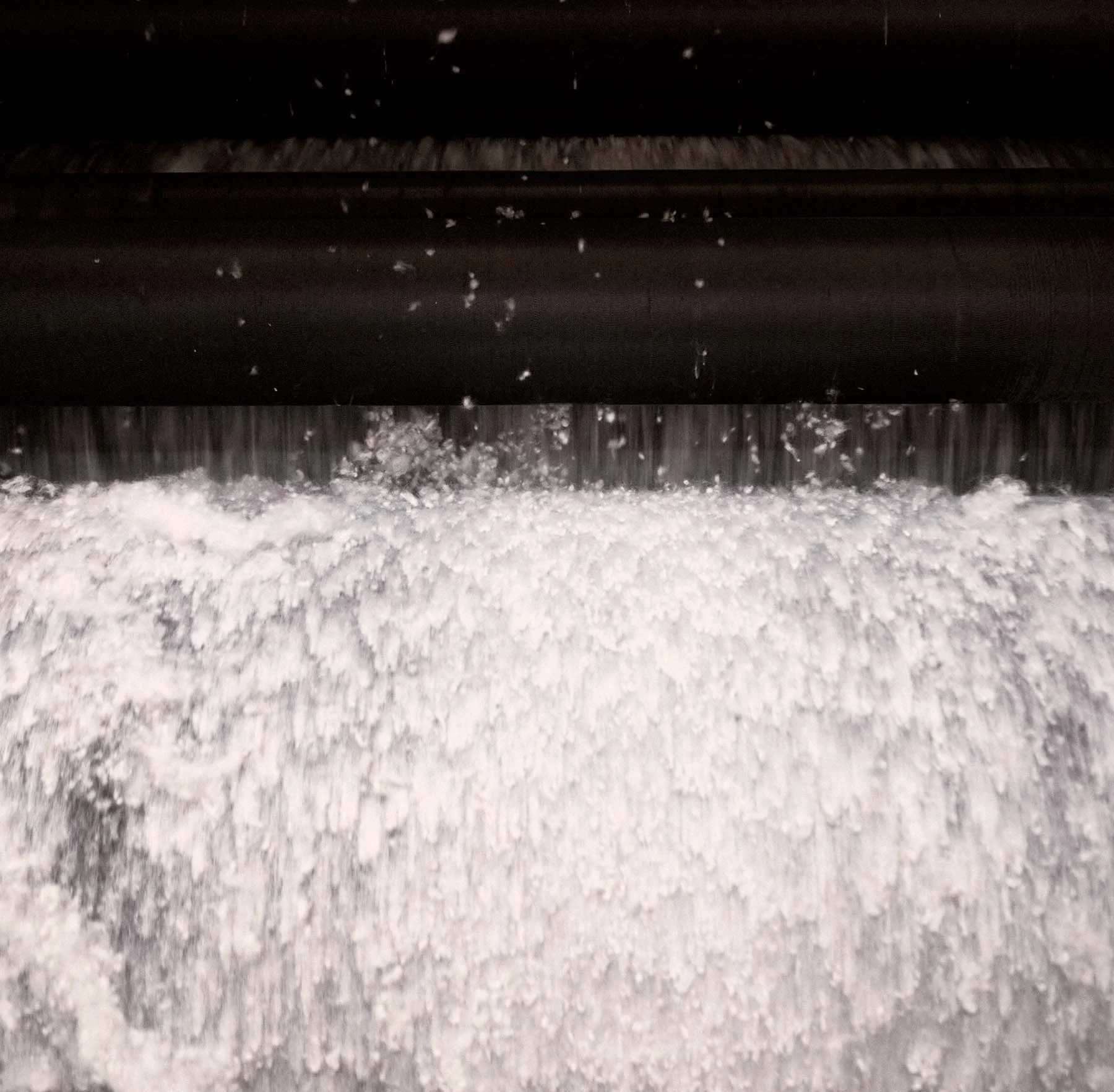
Wisewool™ preserves the natural power of wool while taking it into a new era of manufacturing. Our custom entanglement machinery rearranges premium, A-grade New Zealand strong wool fibres into tiny, spring-like buds, branded Wisefill™. The structure mimics a microscopic coil network, making the most of the fibre's natural elasticity without touching its chemical purity. Using the same fibre-engineering principles, we also create Wiselayer™, a precision-engineered wool batting manufactured to controlled GSMs, densities and loft profiles, delivering consistent performance while retaining wool's natural breathability, moisture management and thermoregulating properties.
This precise mechanical process boosts compressional loft and tactile bounce while leaving the fibre's organic structure unaltered. Because we avoid chemical binders, synthetic glues and artificial coatings, Wisewool™ stays 100% natural and keeps wool's world-class advantages: breathability, thermoregulation, natural moisture management and resistance to flame. Through this meeting of rigorous science and natural design, we have created a versatile, high-tensile ingredient material that moves past the limits of raw wool, suiting sophisticated commercial applications across global industries, from luxury bedding and acoustic insulation to premium upholstered furniture and outerwear.